Transpower Approved for NZ$1.1bn Cook Strait HVDC Upgrade


New Zealand's electricity transmission operator, Transpower, has received final regulatory approval to proceed with a NZ$1.1 billion (US$631 million) upgrade of its high-voltage direct current (HVDC) inter-island link. The Commerce Commission confirmed its decision on 18 June, signing off on the first stage of a programme to renew the ageing connection between the North and South Islands.
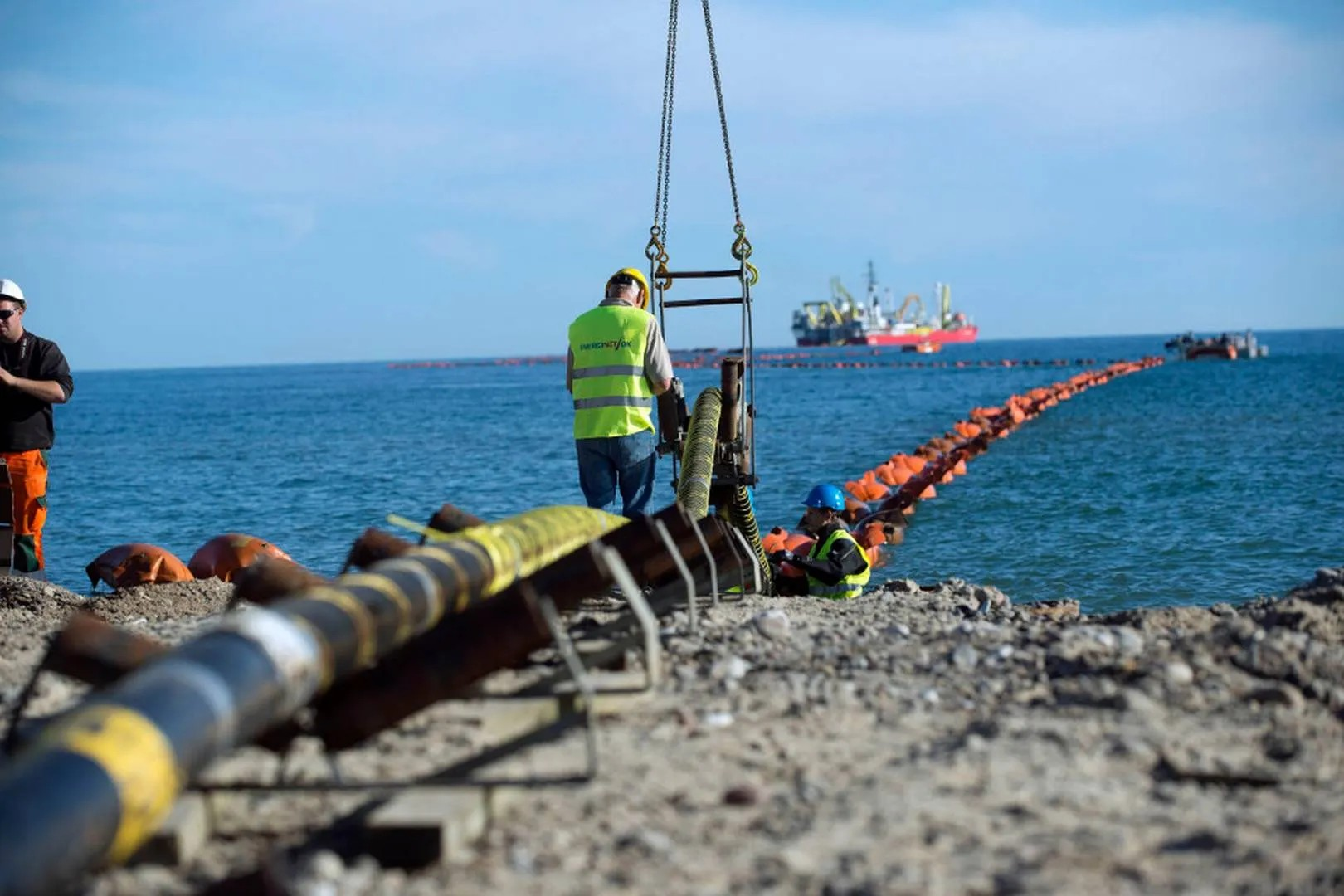
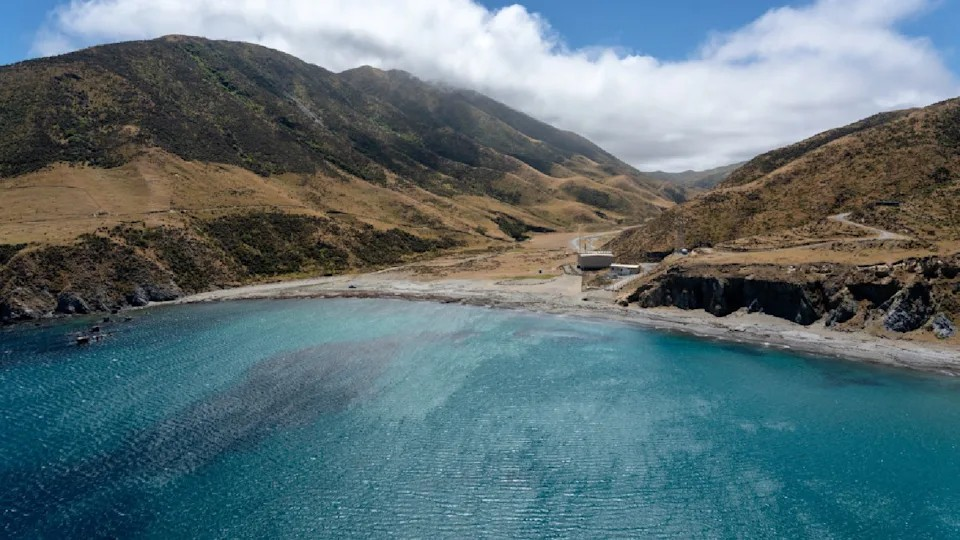
The approved works will replace the three existing Cook Strait submarine cables, add a fourth, and construct new termination stations on either side of the strait. Together, the measures will raise the link's transfer capacity from 1,200MW to 1,400MW — a gain of 200MW. The HVDC link runs between Benmore in the South Island and Haywards in the North Island, with the undersea section crossing between Ōraumoa / Fighting Bay and Oteranga Bay.
The upgrade addresses ageing infrastructure approaching the end of its serviceable life. The existing submarine cables are around 35 years old and nearing the end of their expected 40-year lifespan, with replacement required by the early 2030s. The link was first commissioned in 1965, and its undersea cables have been replaced once before, in 1991.
Associate Commissioner Nathan Strong said the works are intended to reduce the risk of faults and outages that could otherwise increase electricity costs. He said installing the fourth cable as part of the initial upgrade would maximise benefits and avoid higher costs later, noting that analysis showed delaying it would reduce overall market benefits. The additional 200MW of headroom is also expected to support greater use of renewable generation, particularly in the South Island, and could place downward pressure on wholesale prices over time. The project additionally includes seismic upgrades intended to reduce the likelihood and impact of outages.
Under the Commission's benefits-based pricing method, the cost will be added to Transpower's regulated asset base and recovered gradually through transmission charges over the life of the equipment, beginning once the upgrades enter service in the early 2030s. The costs will be shared between the electricity consumers and generators that benefit from the link.
Transpower Chief Executive James Kilty said the link is of national importance for three reasons: enabling access to the lowest-cost electricity across the country each day, supporting power system stability as more variable wind and solar generation comes online, and contributing to energy resilience by connecting communities and businesses to multiple generation sources. Kilty said timely approval would allow the company to secure manufacturing contracts for the new cables ahead of global supply constraints, with undersea cable in high demand internationally as more countries electrify.
Construction is due to be completed by the early 2030s. The approved investment represents Stage One of Transpower's wider HVDC Link Upgrade Programme. The company expects to consult on a separate Stage Two proposal — covering a new IT system to control the link's operation — before the end of 2026. Transpower is also weighing the future of the existing cables once the new ones are installed, with further assessment to be undertaken closer to their decommissioning.