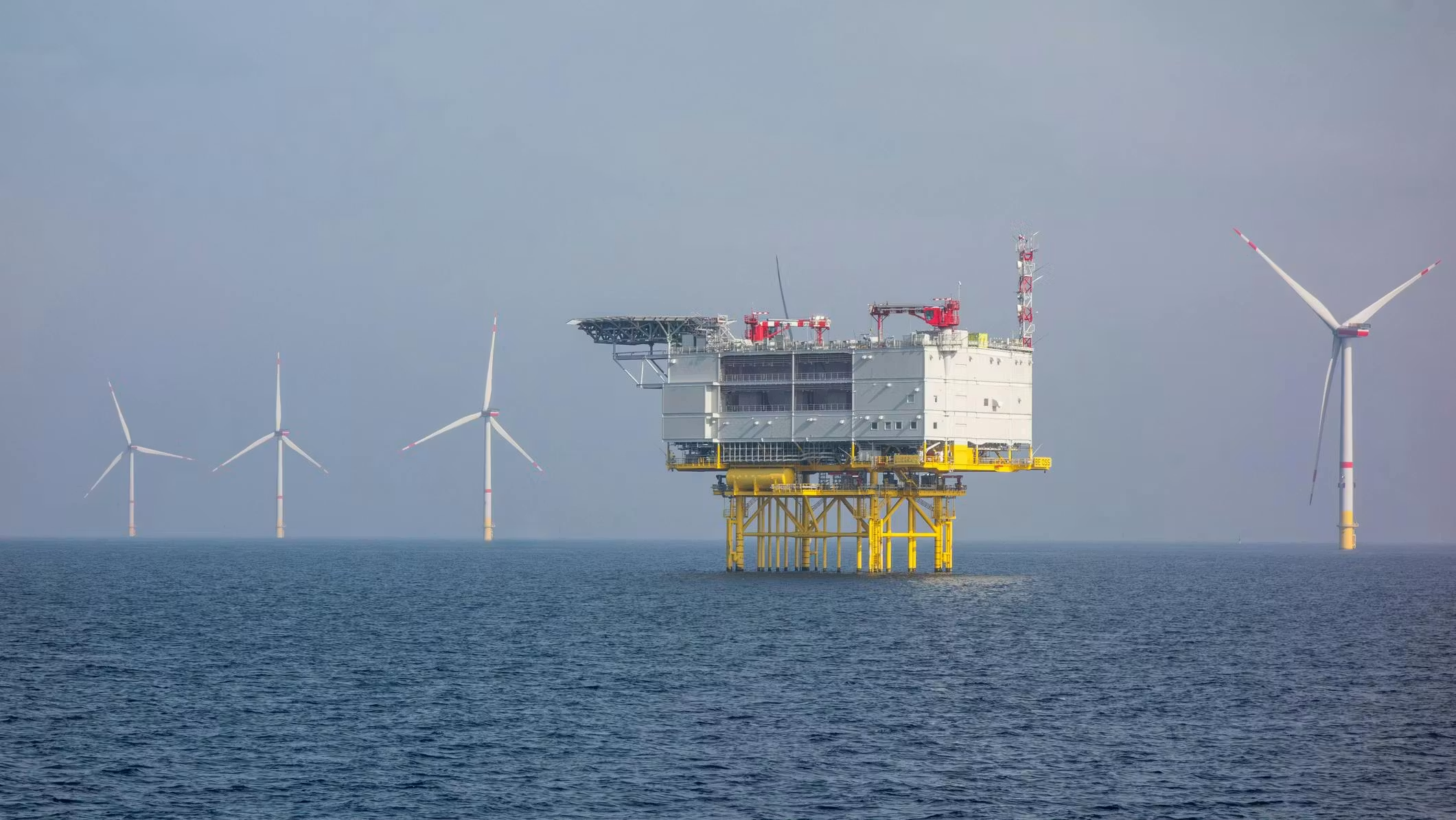
Skagerrak 2 Cable Fault Cuts Norway-Denmark Capacity by 245 MW
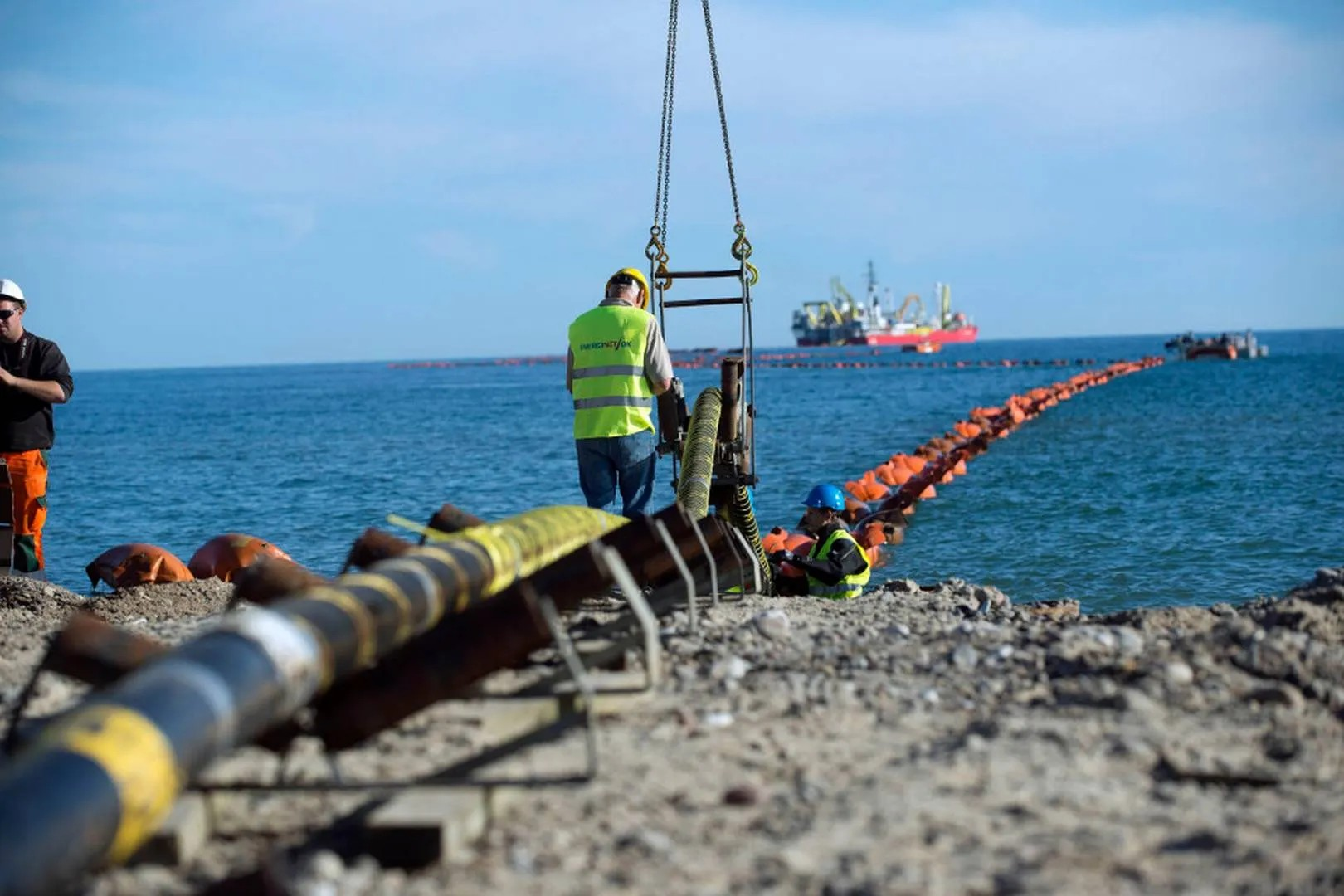


One of the four HVDC cables forming the Skagerrak interconnection between Norway and Denmark has been out of service since 2 June 2026, reducing cross-border transmission capacity by 245 MW. Norwegian grid operator Statnett confirmed the fault on the Skagerrak 2 cable and said repairs are not expected to be completed until 2 September 2026.
The fault has been localised approximately 30 kilometres off the Danish coast. Statnett stated that there are no recent traces of anchor activity or other seabed disturbance that would suggest external interference, and sabotage has been ruled out. The outage is attributed to wear and tear, or minor pre-existing damage that has deteriorated over time — an assessment consistent with the cable's age. The Skagerrak 2 entered service in 1977, making it nearly 50 years old.
System background
The Skagerrak system comprises four HVDC links running between Kristiansand in Norway and Tjele in Denmark's Jutland peninsula, covering a distance of just under 140 kilometres. The interconnection is jointly owned and operated by Statnett and its Danish counterpart Energinet. Under normal conditions, the system has a combined rated capacity of 1,632 MW, connecting Norway's predominantly hydroelectric generation to Denmark's wind and thermal power base.
Skagerrak 1 and 2 are the oldest elements of the system, both commissioned in 1976–77 and operating at ±250 kV with a combined capacity of 500 MW. Skagerrak 3, rated at 440 MW, was added in 1993, and Skagerrak 4 — a 700 MW VSC HVDC link using what was then ABB's HVDC Light technology — became operational in 2014. With Skagerrak 2 offline, the available interconnection capacity has fallen to 1,387 MW, a reduction of approximately 15%.
This is not the first time Skagerrak 2 has required repair. In 2020, both Skagerrak 1 and Skagerrak 2 suffered seabed damage attributed to external impact, and NKT was contracted to carry out repairs using the vessel Olympic Zeus.
Fault details and repair timeline
Statnett published a transparency notice via Nordic power exchange Nord Pool confirming the return-to-service date of 2 September 2026 — a repair window of approximately three months. The repair decision remains pending, however, with Statnett yet to confirm whether a full repair or permanent retirement is the chosen course of action.
End-of-life context and replacement debate
The current outage occurs at a critical juncture. Skagerrak 1 and Skagerrak 2 were each expected to reach the end of their technical service lives in 2026 and 2027 respectively, a timeline flagged in earlier assessments by both Statnett and the International Energy Agency. Statnett and Energinet have been jointly investigating technical options for replacing the two cables, with a formal notification submitted to Norway's energy regulator NVE in 2024 as part of the pre-application process. NVE subsequently issued a study programme in April 2025 setting out the topics Statnett must investigate before a formal licence application can be submitted, with particular emphasis on socioeconomic analysis.
Replacing the two ageing cables would require regulatory approval in both countries and, if approved, new infrastructure would not be in service until the early 2030s at the earliest, with completion potentially extending to 2037. Cost estimates for replacing Skagerrak 1 and 2 range from NOK 10 billion to NOK 16 billion (approximately €900 million to €1.5 billion).
Any replacement faces significant political headwinds in Norway. Consumers in southern Norway — the NO2 price zone, which includes Kristiansand where the converter station is located — have consistently cited the high interconnection capacity as a driver of elevated local electricity prices. The mayor of Kristiansand, Mathias Bernander, has publicly stated opposition not to the cables as infrastructure, but to their price effect on the region. Norway's Labour Party, which won the September 2025 parliamentary election, had campaigned on a platform of not approving new international interconnectors, though Statnett's work to assess the future of Skagerrak 1 and 2 is continuing.
The NVE study programme specifically requires Statnett to assess a "null alternative" — the scenario in which the cables are simply not renewed — in response to public submissions arguing against replacement.