Northeast US States Release Offshore HVDC Standardization Roadmap
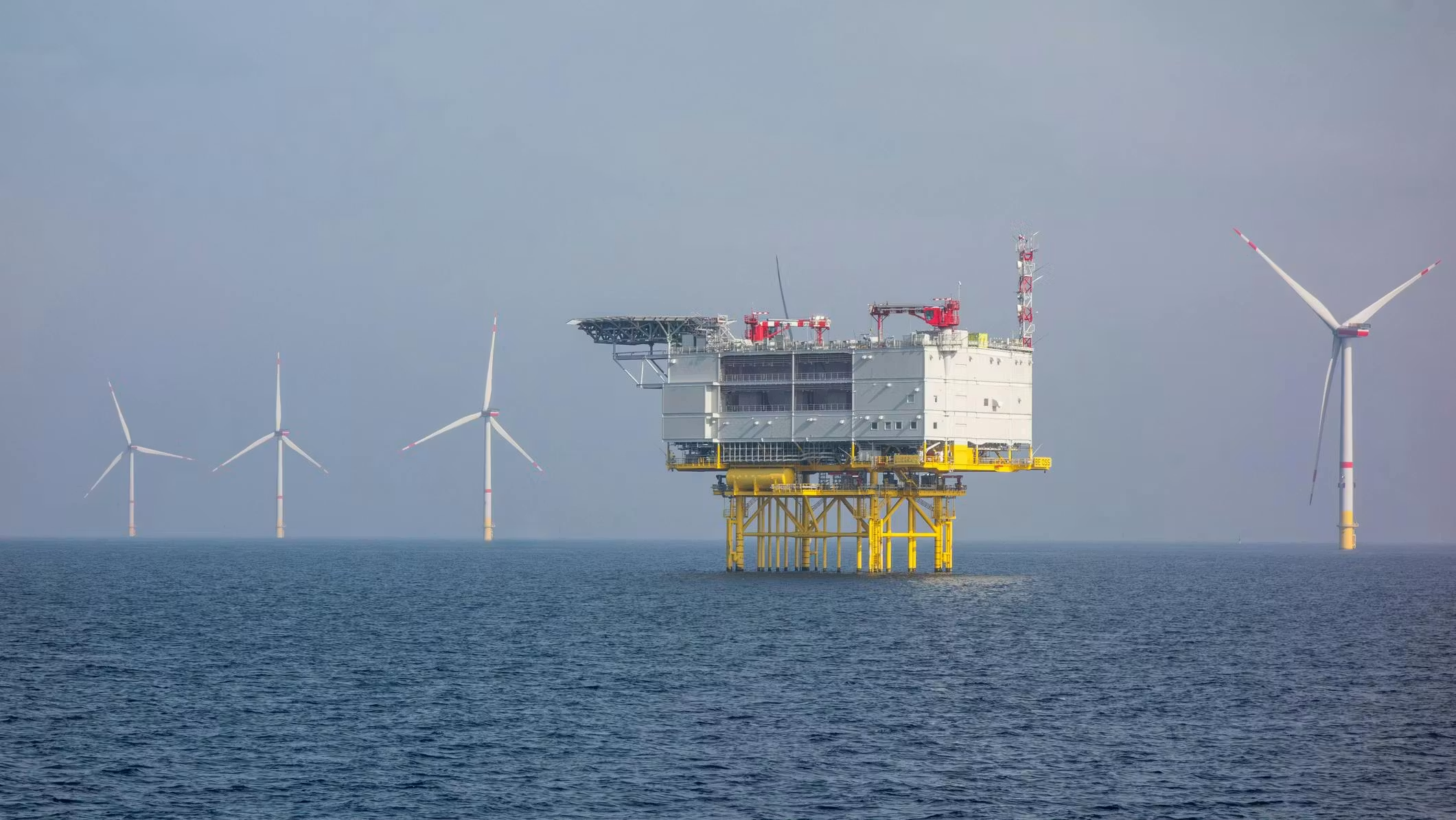


Nine Northeast states and the District of Columbia have released three reports establishing a framework for a standardized offshore high-voltage direct current transmission network along the US Atlantic Coast. Published on 15 June 2026 through the Northeast States Collaborative on Interregional Transmission, the reports were produced by the Planning Offshore Interregional Network Standardization (POINTS) Consortium — a research initiative funded by the US Department of Energy and led by Johns Hopkins University's Ralph O'Connor Sustainable Energy Institute in partnership with DNV Power Systems Advisory.
The collaborative's membership covers the full extent of the Northeast seaboard, comprising Connecticut, Delaware, Maine, Maryland, Massachusetts, New Jersey, New York, Rhode Island, Vermont and the District of Columbia, which joined through an amended memorandum of understanding coinciding with the reports' release. The states are represented through their energy regulatory commissions, state agencies and governors' offices, coordinating with ISO New England, the New York ISO and PJM Interconnection — the three planning regions whose boundaries any interregional offshore network would need to cross.
The POINTS Consortium developed the research with contributions from Brattle Group, Stantec, EPRI, Elevate Energy Consulting and other industry participants. The DOE's Grid Deployment Office awarded Johns Hopkins University and DNV $1.25 million in December 2024 to develop and lead the consortium over a twelve-month period.
Three reports, three workstreams
The first report — Offshore Transmission Standardization Recommendations for the Atlantic Region — focuses on establishing a common technical foundation for future offshore transmission development. Its central recommendation is that states require offshore transmission equipment to be installed as "network-ready," a designation meaning infrastructure is designed and built to enable future interlinking of offshore collector platforms across state and regional boundaries without requiring more costly, prescriptive long-term planning commitments upfront. The report also recommends standardising voltage levels, equipment specifications, and design requirements across Atlantic Coast projects where practical, and calls for improved interoperability among transmission systems developed by different entities and procured under different state processes.
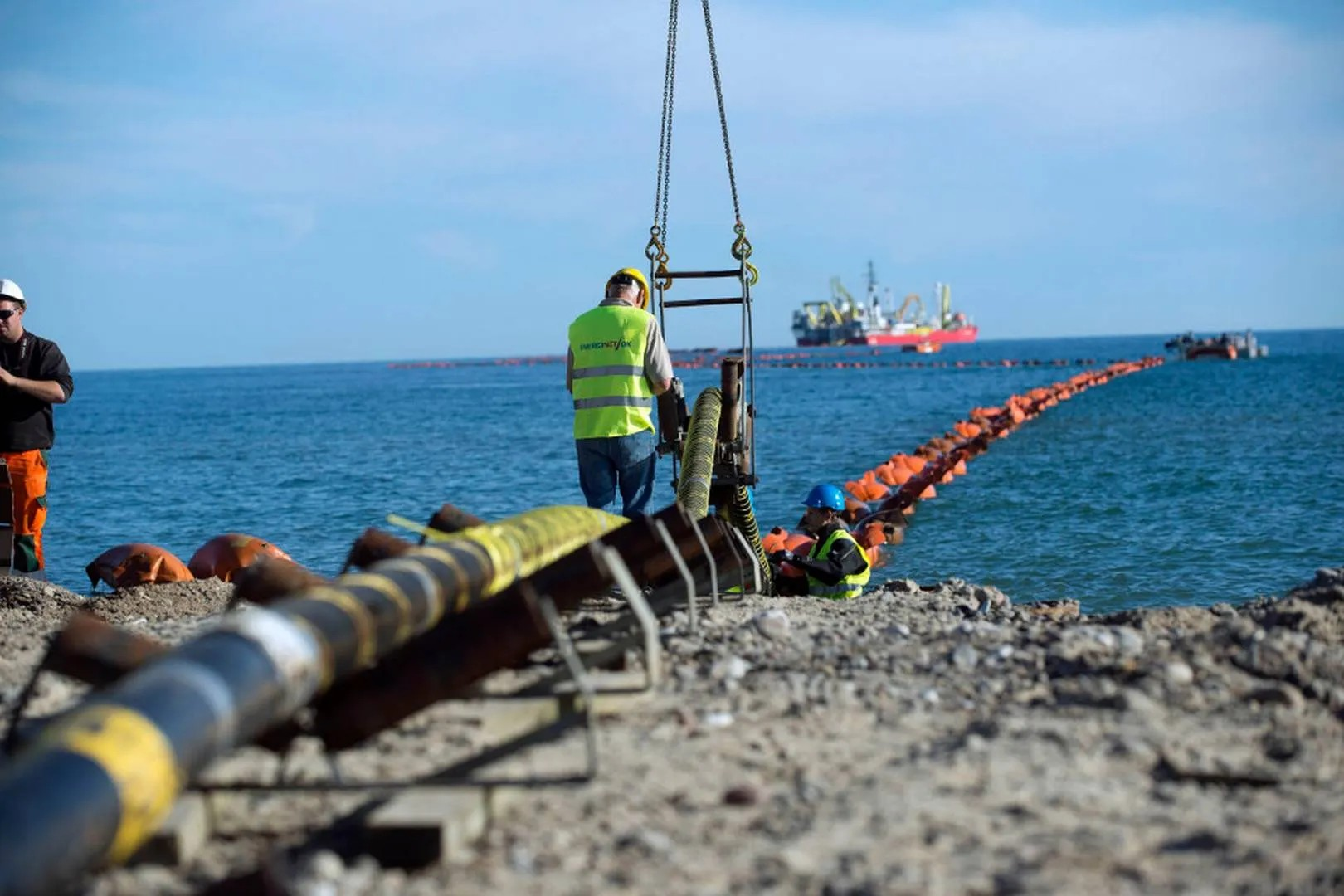
The second report — Procurement and Contracting Strategies — addresses the structural supply chain constraints that have contributed to extended project timelines and elevated costs across offshore transmission projects. The report identifies the limited availability of specialised cable-laying vessels as one example of a constraint extending beyond original equipment manufacturers. Its primary near-term recommendation is the creation of a Northeast offshore transmission order book: a coordinated, multi-state mechanism to aggregate and signal long-term demand to HVDC equipment and cable manufacturers, providing the market certainty required for suppliers to plan, invest and allocate manufacturing capacity. The report also recommends pursuing framework agreements, preferred supplier arrangements and capacity reservation agreements to secure equipment ahead of project need, and proposes coordinating transmission procurement schedules and technical specifications across states to reduce duplication of effort and achieve cost efficiencies. Cost-allocation frameworks for shared offshore transmission infrastructure and the use of innovative financing tools and insurance products are also identified as supporting mechanisms.
The third report — Pathways Toward Standardized HVDC Transmission and Modernized Reliability Criteria for HVDC Systems — addresses a specific technical constraint unique to the New England planning region: existing reliability planning frameworks limit HVDC transmission systems to a maximum capacity of 1,200 MW, a threshold below the scale at which offshore interregional transmission infrastructure is now commonly designed. The report identifies opportunities to modernise reliability planning criteria while maintaining system reliability, calling for the establishment of a Northeast technical working group to evaluate HVDC integration challenges and for the creation of a NERC-led task force focused on HVDC technologies and reliability frameworks. The report further recommends reevaluating contingency classifications and planning assumptions for modern HVDC systems, updating regional planning criteria to reflect current HVDC technologies and international operating experience, and conducting comprehensive cost-benefit analyses to identify optimal pathways for expanding transmission capability. Grid-forming battery storage, fast frequency response, dynamic reactive power devices and targeted transmission upgrades are identified as candidate solutions to support the integration of larger HVDC facilities.
Background and context
The POINTS work builds on a multi-year effort that began in 2023, when Massachusetts led a request to the US Department of Energy to convene the Northeast States Collaborative on Interregional Transmission. The collaborative's mandate was to explore opportunities for increasing power transfers between the ISO-NE, NYISO and PJM planning regions, with offshore transmission identified as the most practical pathway given the scale of planned offshore wind development along the Atlantic Coast. In 2024, participating states signed a memorandum of understanding establishing the collaborative's governance structure and subsequently released a strategic action plan designating offshore transmission standardisation as a priority workstream. The POINTS Consortium was then established to deliver the technical underpinning of that priority.
New Jersey Board of Public Utilities President Christine Guhl-Sadovy said New Jersey had developed the OTN Ready framework in anticipation of exactly this kind of regional coordination initiative, characterising the POINTS reports as validation of that approach and committing to continued technical and policy engagement so the state is in a position to act without delay when conditions change. Weezie Nuara, Massachusetts Deputy Secretary for Federal and Regional Energy Affairs, said the reports are an important step in ensuring states, grid operators and the electric industry are working from a shared framework to help accelerate offshore wind deployment and unlock consumer benefits. Massachusetts Energy and Environmental Affairs Secretary Rebecca Tepper noted that common technical standards could help improve coordination and reduce costs associated with future offshore transmission projects.
Industry organisations also expressed support. Oceantic Network President and CEO Liz Burdock said the reports advance efforts to standardise HVDC technologies and offshore transmission procurement approaches, while identifying actions states can incorporate into future energy policies. Brattle Group, which contributed economic analysis to the work, described the publication as a key milestone in advancing interregional transmission pathways.
Collectively, the three reports conclude that improved transmission planning practices, coordinated procurement strategies and updated reliability frameworks can reduce infrastructure costs, strengthen supply chains, improve grid reliability and accelerate deployment of offshore energy resources. The findings are intended to inform ongoing discussions among states, regional transmission organisations, reliability bodies, developers, manufacturers and policymakers.
The POINTS Consortium is scheduled to host a webinar on 25 June 2026 to discuss the reports' findings and recommendations.