India and Singapore Discuss Cross-Border Interconnector


India and Singapore are in early-stage discussions on cross-border low-carbon electricity trade aimed at delivering Indian renewable power to the Singaporean grid, according to comments from the International Solar Alliance (ISA) reported by The Business Times.
ISA director general Ashish Khanna said the proposition has significant potential for both nations. Singapore wholesale electricity prices have climbed to around S$0.297/kWh (approximately US$0.22/kWh) this year, driven up by global geopolitical tensions including the conflict in Iran. By comparison, the cost of solar generation in India was about US$0.054/kWh according to an April report from energy think tank Ember. If transmission costs can be kept within reasonable bounds, Indian renewable imports could be economically attractive for Singapore.
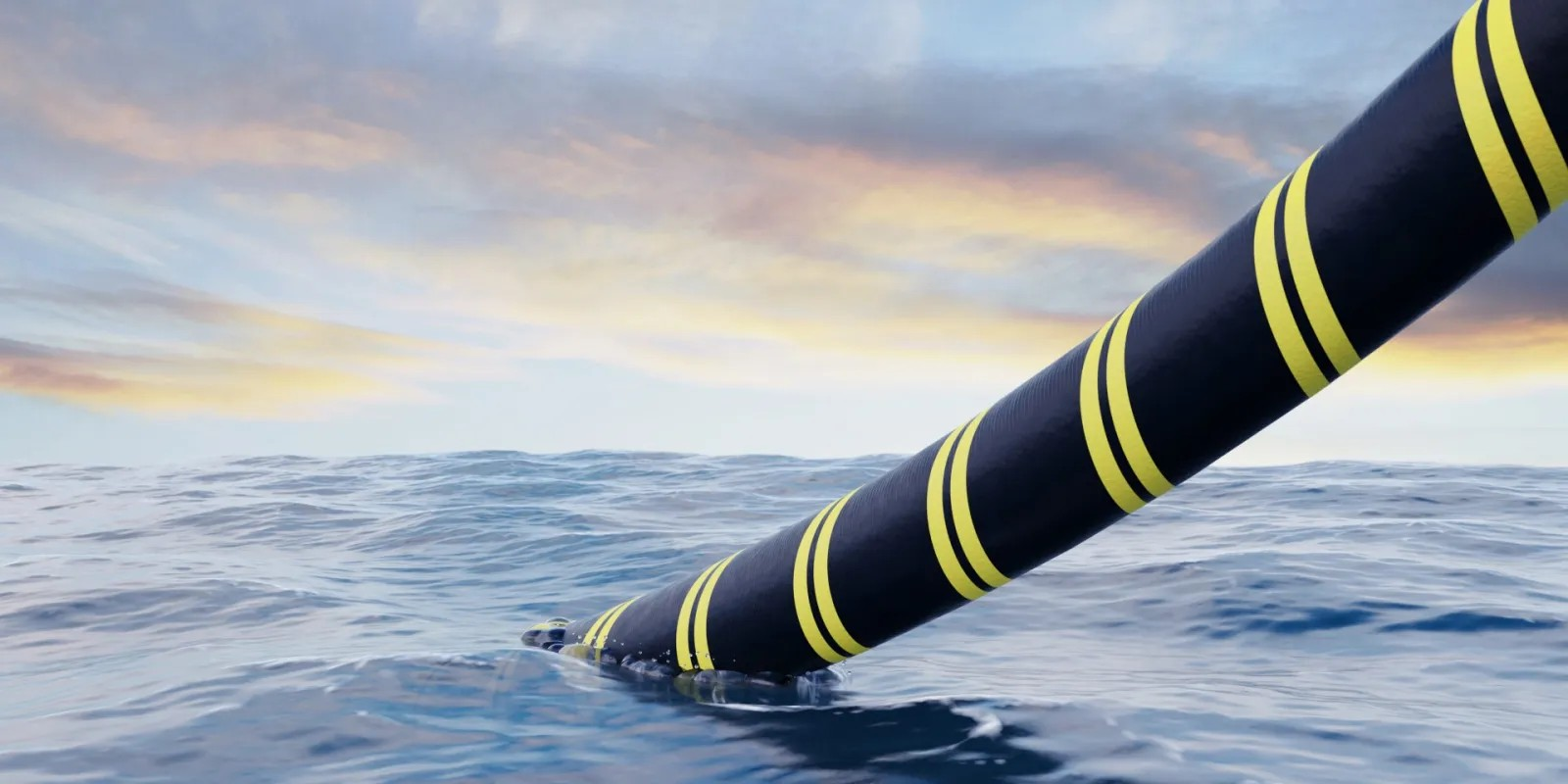
Two transmission routes are under consideration. The first is a 4,000 km overland corridor running from north-eastern India through Myanmar, Thailand and Malaysia into Singapore. Khanna acknowledged that while this option would be lower-cost, it faces political and right-of-way challenges, including the need to traverse extensive forested areas. The second is a submarine cable of more than 3,000 km running from India's east coast via the Andaman and Nicobar Islands to Singapore.
The submarine option aligns with existing Indian planning for the region. India's Central Electricity Authority has previously outlined a HVDC link between Paradip in Odisha and Port Blair in the Andaman Islands, with an initial capacity of 250 MW scaleable to 500 MW. A subsequent extension from Great Nicobar to Singapore would cover approximately a further 1,700 km. The link also fits within India's "One Sun, One World, One Grid" framework, under which interconnections with Singapore, the UAE, Saudi Arabia and the Maldives have been flagged for study.
The bilateral discussion sits within a wider ISA programme to mobilise approximately US$1 trillion globally to deploy close to 1,000 GW of solar capacity and interconnect grids across Australia, South Asia, Southeast Asia, the Middle East, Africa and Europe. Khanna said a global energy grid would reduce dependence on costly battery storage by allowing regions still in daylight, such as the Middle East or India, to supply electricity to areas where the sun has already set.
ISA is engaging with governments in Southeast Asia and India, the Asian Development Bank, the World Bank and private submarine cable manufacturers to address risk allocation and capital raising. Khanna noted that the absence of unified standards for HVDC submarine cables, combined with limited global manufacturing capacity, will need to be tackled in parallel. He added that inter-governmental agreement on guiding principles could in turn encourage private investment in large-scale HVDC cable manufacturing facilities. Frameworks for renewable energy certificates, electricity pricing and wheeling charges would also need to be negotiated, drawing on lessons from the ASEAN Power Grid.